
Play, Grow, and Smile Every Day at the best Child Care in Lakeway, TX
Play, Grow, and Smile Every Day
Flexible Drop-In Child Care and Daycare in Lakeway, TX
Hours & Ages Served | Ages 6 Weeks–10 Years | Open Daily with Extended Hours
Hours of Operation
Monday–Thursday: 9:00 AM – 8:00 PM
Friday–Saturday: 9:00 AM – 10:00 PM
(Final reservations taken at 8 PM)
Nurturing Young Minds,
One Smile at a Time
Empower Kidz Drop-In is a boutique drop-in child care center and play space designed for today’s families. Located in Lakeway, TX, we offer flexible, hourly child care that makes it easy to drop off your child and step away with confidence.
Whether you need care for a quick errand, a work meeting, or an evening out, your child will be supported in a warm, engaging environment built just for them.
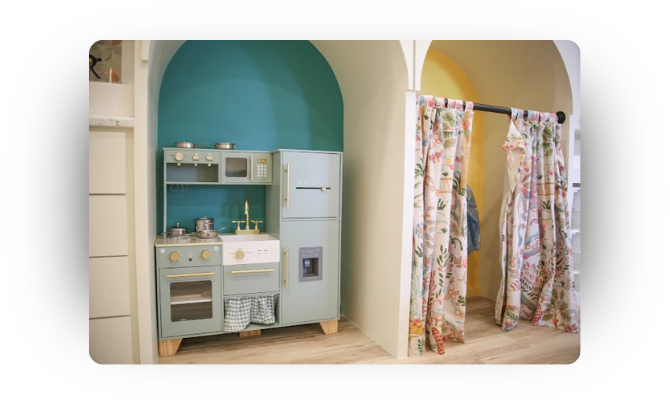
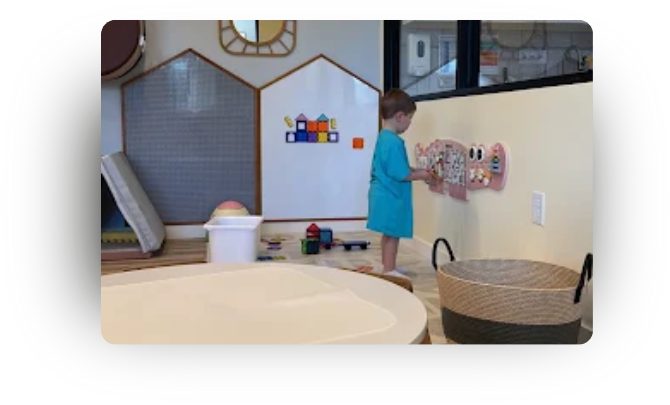
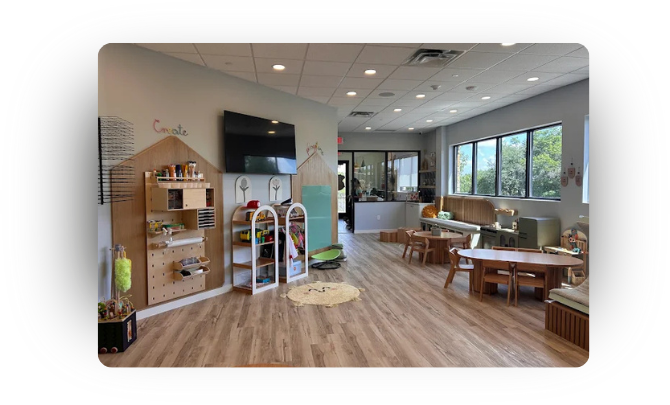
Our drop-in model gives parents freedom without sacrificing quality. Children are welcomed into thoughtfully designed indoor and outdoor play spaces where learning happens naturally through play, movement, creativity, and social connection.


Get Our Free
Information Booklet
We’d love to send you a FREE Information Booklet, full of helpful information about Empower Kidz.

Why Choose
Empower Kidz Drop-In
Families across Lakeway and Bee Cave choose Empower Kidz because we combine flexibility with intentional care. Parents tell us they appreciate having a nearby child care option that adapts to real life while still prioritizing safety, structure, and fun.
What sets us apart includes:
Hourly, flexible drop-in child care with no long-term commitment
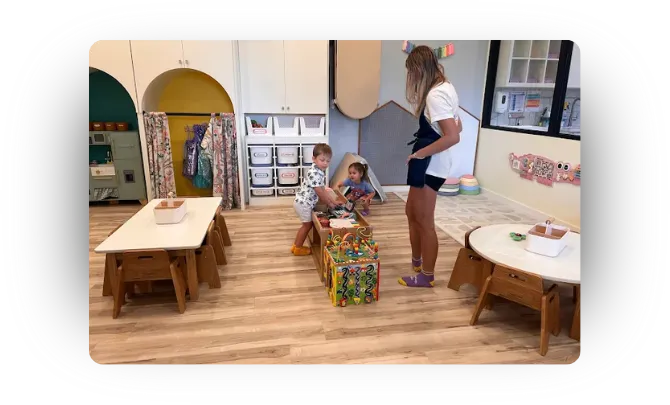
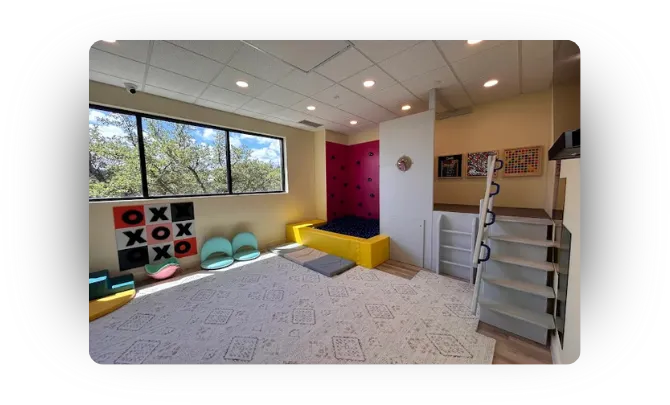
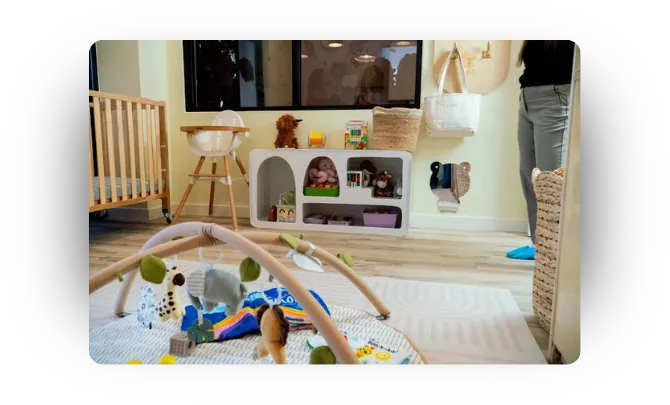
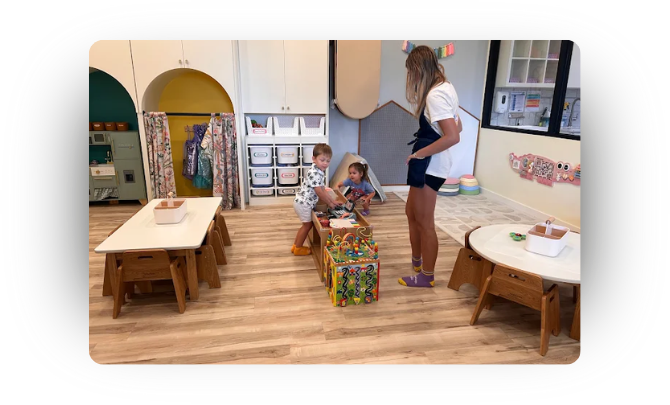
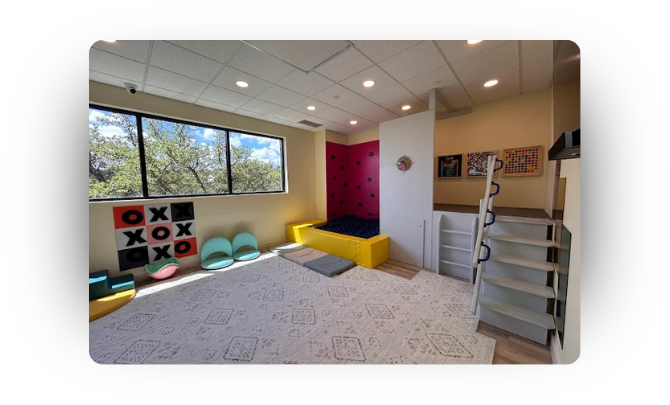
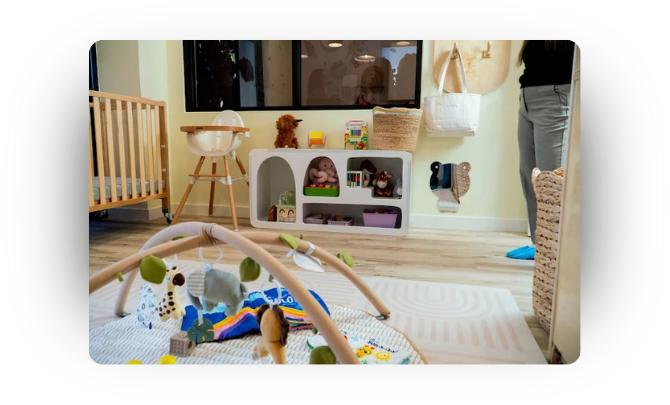
Separate, age-appropriate play areas for infants, toddlers, preschoolers, and school-age children
The only drop-in child care center within 30 miles of Lakeway
Caring staff certified in CPR and First Aid
ADT and WatchMeGrow security systems for added peace of mind
Here’s What Our Happy Parents Have To Say
We LOVE our parents and carers and we're so proud to share some of their thoughts with you…
Here's What Our Team Have To Say
We LOVE our team and we're so proud to share some of their thoughts with you ....
Some of the aspects that make our facility unique include

Children thrive when play and learning go hand in hand. Our daily activities are designed to encourage curiosity, imagination, and cooperation. From arts and crafts to group games, music, and storytime, every child has opportunities to explore their interests and build confidence during their visit.

Life does not always follow a set schedule. Empower Kidz Drop-In is here to support parents when plans change or unexpected needs arise. Our flexible hours and drop-in availability make it easier to manage work, appointments, and family life without stress.

Our environment is carefully organized to support different developmental stages. Infants enjoy calm, nurturing spaces, while toddlers and preschoolers explore hands-on activities. Older children benefit from group play, creativity, and social interaction that supports independence and teamwork.

Empower Kidz Drop-In is proud to serve the Lakeway community. We partner with local organizations and businesses and offer community partnership discounts. Families appreciate being part of a center that values connection, trust, and local involvement.

We invite parents to request information or register online to learn more about how our drop-in child care center can support your family. New families can also ask about our first-time drop-in savings when they contact us.
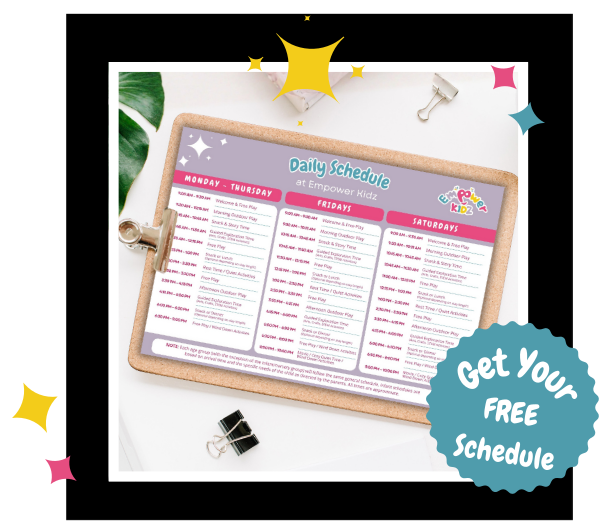
Get Our Free
Daily Schedule
We know how hard it can be choosing the perfect place for your little ones to learn and grow.
So we have made it easy for you to align our schedules. Download our timetable to get a sneak peak of what we do.
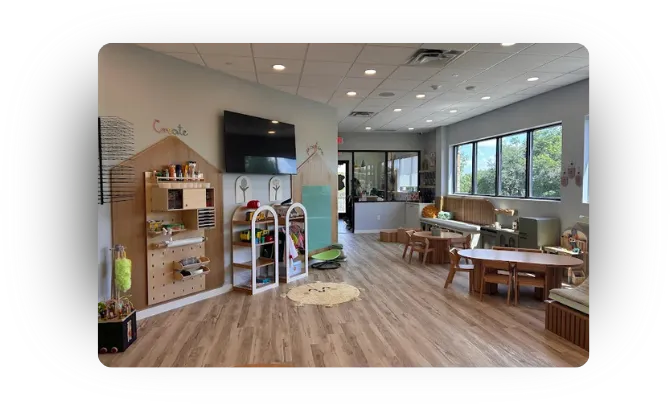
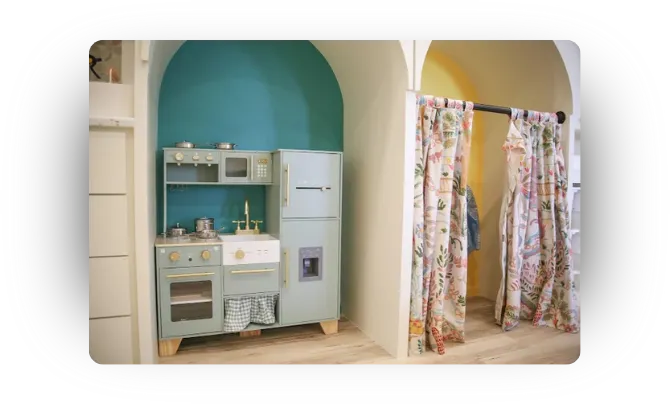
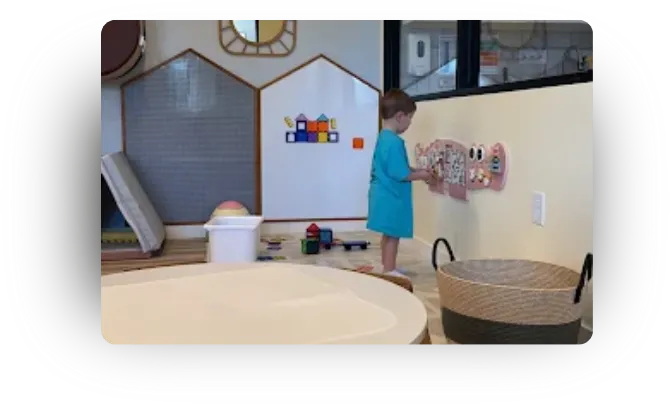
Amazing Facilities For Your Child
Here's a small sample of some of the great things your child can enjoy when they join our setting…
Ready to Experience the Empower Kidz Difference?
Whether you’re a busy parent in need of last-minute care or simply looking for a regular, trusted place for your child to play and learn, Empower Kidz Drop-In is here for you. We invite you to schedule your first visit or register today to experience the flexibility, fun, and security that set us apart.
Contact us today to learn more, ask questions, or book your first visit! We look forward to meeting you and your child.
Contact Us
2951 Ranch Rd 620 S #107, Lakeway, TX 78738, United States
Follow Us
Privacy Policy | Terms and Conditions | Copyright © 2025 Empower Kidz Drop-in
Contact Us
2951 Ranch Rd 620 S, Lakeway Texas 78738
Follow Us